You salt the pasta water, toss in a knob of butter at the end, maybe drizzle a little olive oil over the top. The kitchen smells good, you’re half‑scrolling your phone, half‑stirring the pan, feeling quietly proud that you didn’t order takeout again. When you plate everything, it looks fine. Instagram‑acceptable, even. But then you take a bite and think, “Huh. That’s… okay.” Not bad. Not great. Just flat. Like someone turned the flavor volume down without asking you.
You grate on more cheese, grab the chili flakes, splash extra soy sauce, anything to wake the dish up. Still, there’s this sense that something is missing and you can’t quite name it. You’re following the recipe. You’re using decent ingredients. So why does your food taste a little… tired?
The answer often hides in the most boring part of cooking.
The quiet mistake that steals flavor before you even start
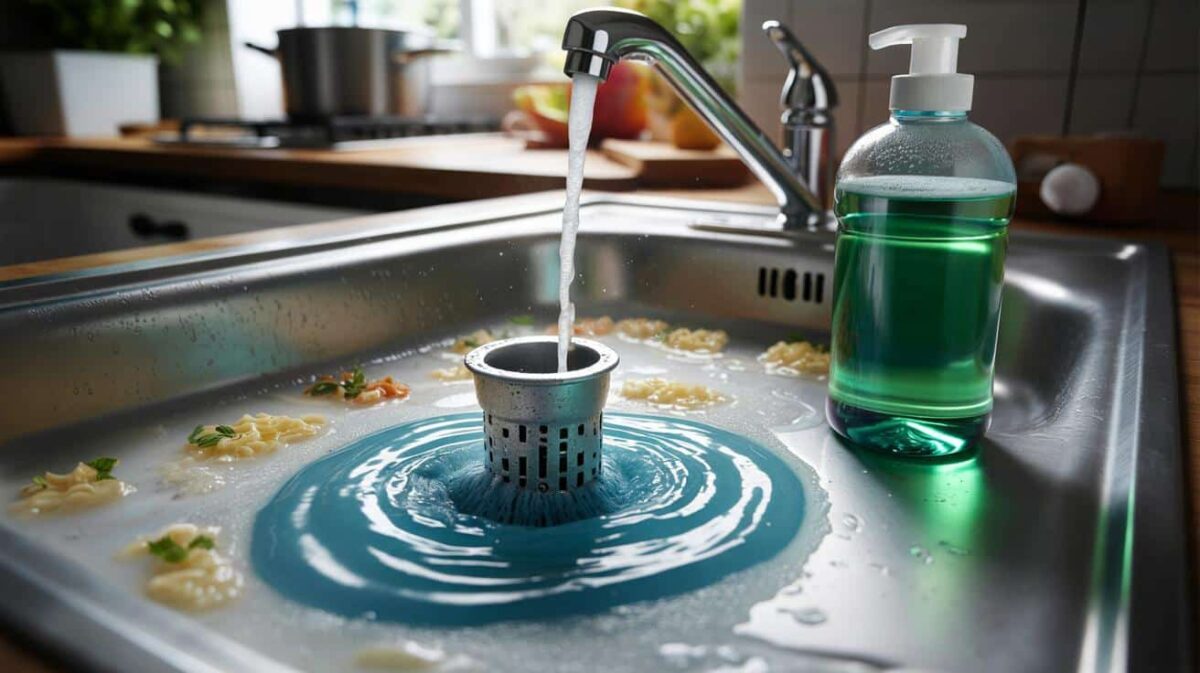
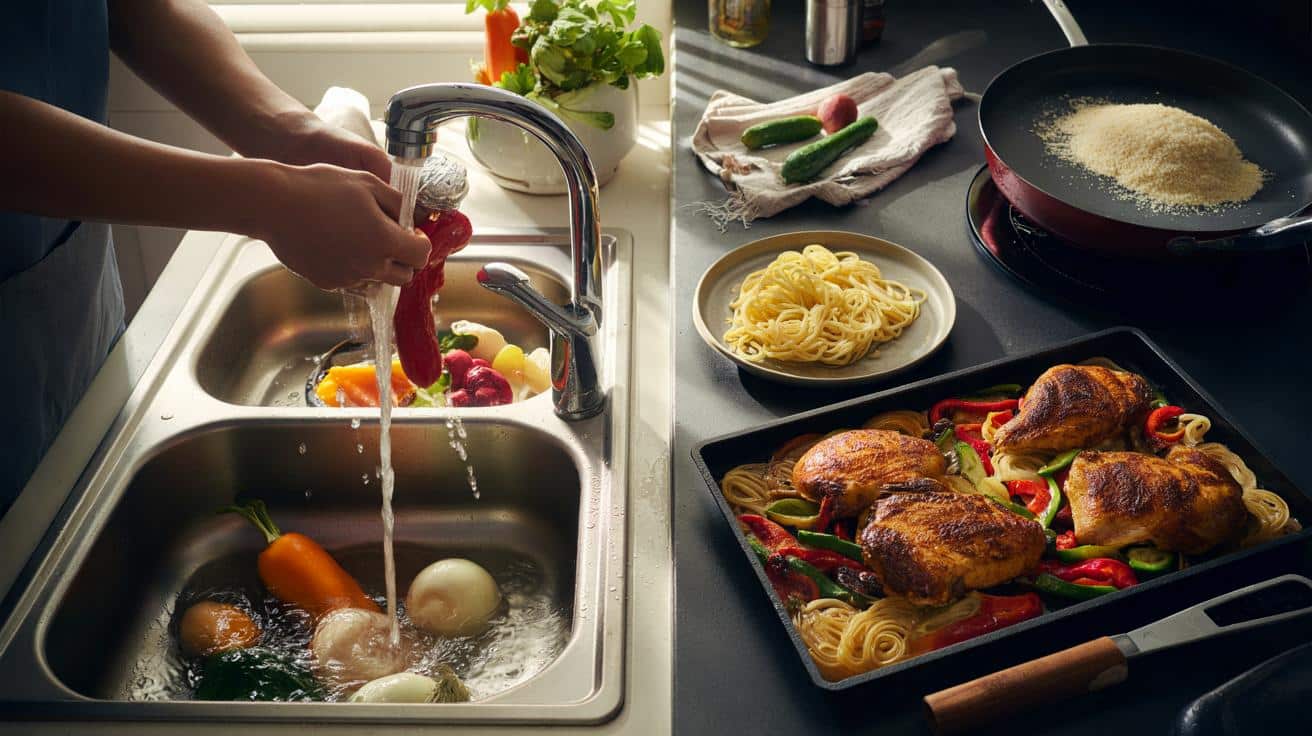
Most of us think flavor happens in the pan or the oven. The sizzling, the browning, the final drizzle of something fancy. Yet a huge part of taste is decided much earlier, in a moment so dull you barely register it. It happens at the sink. Right there, where you’re rinsing everything like you’re washing the day off it.
The one habit that quietly flattens your food: over‑washing and over‑drying ingredients until they lose their natural taste and texture. From aggressively rinsed chicken and endlessly washed rice to tomatoes scrubbed like potatoes, that obsessive “cleaning” reflex can strip away the surface starches, natural juices, and tiny flavor particles that help dishes come alive.
We go to war on anything that looks imperfect, and the flavor is often the first casualty.
Picture this. You get home from work, drop your bag, and line up the ingredients for a stir‑fry. Chicken, peppers, onions, a bit of ginger. Out of habit, you take the chicken to the sink and rinse it thoroughly under cold water, pat it until it’s almost squeaky clean. The vegetables get the same spa treatment: long rinse, then you leave them in a colander “so they don’t drip everywhere.”
By the time everything hits the pan, your chicken is wet on the outside but oddly dry inside, the peppers are limp, and the onions start steaming instead of searing. The pan never truly sizzles. You add more oil, more soy sauce, a bit of sugar, but nothing really sticks. The sauce slides off. The flavor never grips.
You didn’t ruin the recipe. You diluted it before it had a chance.
There’s a simple reason this happens. Water is the enemy of browning, and browning is where a lot of flavor lives. When you over‑rinse or don’t just lightly clean but practically soak your ingredients, you put a thin coat of water between the heat and the food. That water has to evaporate first. So instead of caramelizing, searing, or crisping, your ingredients steam. They cook through, sure. They just don’t develop those deep, complex notes that make a dish taste “wow” instead of “fine.”
➡️ Excellent For The Arteries: This Eastern Spice Could Cut Cholesterol In Just 3 Months
➡️ Dietitians warn that eating this food every day may not be as harmless as it seems
➡️ I tried this simple dish and the balance surprised me
➡️ The hidden reason your homemade sauces never taste quite right
➡️ This forgotten cooking method makes food taste richer while using less oil
➡️ If you feel mentally alert but emotionally tired, psychology explains the imbalance
➡️ Food scientists reveal why this cooking temperature matters more than the recipe
The same goes for washing away surface starch from rice or potatoes until they’re almost squeaky. A little starch helps sauces cling, helps seasoning attach, helps texture feel satisfying. Take all of it off, and your food behaves differently, sliding around the plate and on your tongue without much character.
*You end up with technically cooked food that tastes like it’s been turned down to medium‑low.*
How to clean less, cook smarter, and taste more
The solution isn’t to stop washing your food. Basic hygiene is non‑negotiable, especially with grit, soil, or pesticides. The trick is to clean just enough, and no more. Think of it as respectful rinsing instead of scrubbing life out of your ingredients. For vegetables, that usually means a quick rinse under running water, a gentle rub with your fingers, then straight to a clean dish towel to blot off excess moisture. If they’re going into a pan to brown, they should feel dry to the touch, not damp and shiny.
For rice, a couple of quick rinses until the water is slightly cloudy instead of chalk‑white is often enough. You want to remove the dust, not the personality. Pasta? No need to rinse after cooking at all. That starchy surface is gold for sauce.
The less water you add before the heat, the more flavor you get after.
Let’s talk about the habits that sneak in when we’re tired or distracted. You toss berries into a bowl of water and leave them there “for a second” that turns into ten minutes. You rinse mushrooms like salad because brushing them one by one feels like too much work. You wash your non‑prewashed salad greens, then forget them on the counter in a dripping colander until they’re soggy and sad.
We’ve all been there, that moment when dinner feels like another chore, so we default to whatever is fastest at the sink. The trouble is, those shortcuts often show up later as blandness on the plate. Let’s be honest: nobody really does this every single day – the perfect wash, the perfect dry, the perfect timing. But nudging your routine just a bit makes a huge difference. One extra minute spent patting down that chicken or spreading veggies on a clean towel before roasting can mean the difference between “meh” and “wow, did I make this?”
Tiny, almost boring gestures. Big payoffs in taste.
“When people tell me their food tastes flat, nine times out of ten the ingredients went into the pan too wet,” says a Paris‑trained home‑cooking coach I spoke with. “They think they need more spices. Most of the time, they just needed less water.”
To turn that advice into something you can actually use at 7:30 p.m. on a Tuesday, think in simple checks, not complicated rules:
- Pat protein dry with paper towel before it hits a hot pan.
- Rinse vegetables briefly, then blot or spin until they’re just slightly cool and matte, not slick.
- Stop soaking berries and mushrooms; wipe or lightly rinse, then dry immediately.
- Rinse rice until the water is misty, not crystal clear, so some starch remains.
- Never rinse cooked pasta: go straight from pot to sauce while still a bit starchy and hot.
Those small adjustments don’t look dramatic, yet your tongue will notice long before your eyes do.
When you start tasting the difference, you can’t un‑taste it
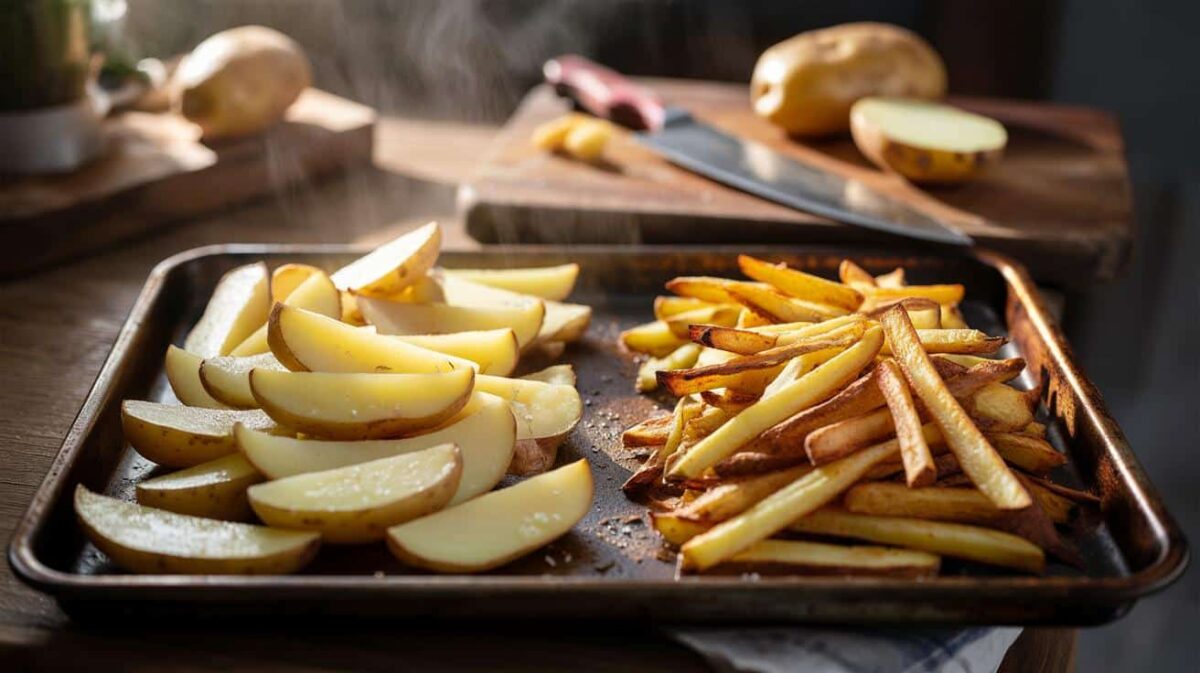
Once you experience how much deeper your food can taste just by not drowning it at the sink, something shifts. You start to notice the crackle when vegetables hit a hot tray dry instead of steaming in their own rinse water. You hear the sharp, confident sizzle of properly dried chicken in a pan. You see sauces clinging with purpose instead of sliding off. The kitchen suddenly feels a little more under your control, a little less random.
You might find yourself slowing down for ten extra seconds to pat down a steak or roll salad leaves in a clean towel. You might stop soaking everything “just in case” and trust that a quick rinse is enough. You may even start questioning old habits you copied from a parent or a rushed cooking video years ago.
And as your food gets more flavorful without new gadgets, fancy ingredients, or complicated tricks, you may quietly realize something both ordinary and kind of radical: the biggest upgrade to your cooking was not what you added, but what you stopped washing away.
| Key point | Detail | Value for the reader |
|---|---|---|
| Dry ingredients before heat | Pat protein and vegetables dry so they brown instead of steam | Stronger flavors, better texture, more satisfying meals |
| Rinse, don’t soak | Quick washes remove dirt without diluting juices or starch | Ingredients keep their natural taste and help sauces cling |
| Keep “good” starch | Don’t over‑rinse rice or rinse cooked pasta at all | Fuller mouthfeel, richer sauces, less blandness on the plate |
FAQ:
- Should I ever rinse raw chicken?The current food safety advice is clear: do not rinse raw chicken. Washing it can spread bacteria around your sink and counter. Go straight from package to pan, and just pat it dry with paper towel.
- How long should I rinse rice before cooking?Rinse two or three times, swishing gently, until the water is cloudy but not milky‑white. You’re aiming to remove dust and excess surface starch, not to get the water crystal clear.
- Are there vegetables I really shouldn’t soak?Yes. Mushrooms, berries, and soft herbs like basil or cilantro dislike long baths. Give them a fast rinse under gentle water, then dry them right away on a towel or in a salad spinner.
- Why does my roasted veg sometimes turn out soggy?Often they were too wet going into the oven. If you toss oily, damp vegetables onto a tray, the water steams before the surface can caramelize. Dry them first, then roast on a hot, uncrowded tray.
- Do I need special equipment to dry food properly?No. A clean kitchen towel, some paper towel, or a salad spinner for greens is enough. The key is giving ingredients a moment to lose their surface moisture before they meet high heat.